The fascinating journey of gambling through the ages a historical perspective
The fascinating journey of gambling through the ages a historical perspective
The Origins of Gambling
The history of gambling can be traced back to ancient civilizations, where evidence suggests that various games of chance were played for entertainment and ritual purposes. Archaeological findings from sites like Mesopotamia reveal that dice dating back to 3000 BC were used, indicating that the human fascination with luck has ancient roots. These early games often incorporated elements of chance, mirroring the fundamental essence of gambling as we understand it today. Interestingly, today’s enthusiasts find excitement in activities such as visiting a crypto casino, blending tradition with modern technology.

In addition to dice, the Chinese developed one of the earliest known forms of gambling with the game of Keno around 205 BC. This early gambling activity was tied to military funding, suggesting that the intertwining of luck and skill in gambling was not just about recreation but also had societal implications. The evolution of gambling during these times highlights its role as a pivotal aspect of culture and economy.
The Influence of Gambling in Ancient Rome and Greece
Gambling flourished in ancient Rome and Greece, where it was often associated with social activities and public entertainment. Romans engaged in various games, including dice games and betting on gladiatorial contests. The social acceptance of gambling during this period indicates that it had not only become a form of entertainment but also a way for people to display their wealth and status.
In contrast, the Greeks viewed gambling with more ambivalence, associating it with moral and ethical concerns. Philosophers like Plato expressed reservations about the potential for gambling to lead to vice. Despite these concerns, Greeks participated in betting during the Olympic Games, showcasing that the allure of chance often outweighed the moral debates surrounding it.
The Middle Ages and the Renaissance: A Shift in Perception
During the Middle Ages, gambling faced significant scrutiny, particularly from the Church, which deemed it sinful. Despite this opposition, clandestine gambling activities persisted, with card games gaining popularity in Europe. This period saw the rise of games like Tarot, which not only entertained but also fascinated players with their intricate designs and mystique.
The Renaissance marked a turning point, as gambling began to regain its stature. The invention of playing cards in the late 14th century transformed the landscape of gambling, introducing new games and strategies. The growing popularity of these games reflected a broader societal shift towards embracing leisure and entertainment, laying the groundwork for modern gambling practices.
Modern Gambling: The Role of Technology and Regulation
The 19th and 20th centuries witnessed a significant transformation in gambling, driven largely by technological advancements and regulatory changes. The introduction of casinos and lotteries in various countries provided structured environments for gambling, and the development of betting systems offered new ways to engage with games of chance. This era emphasized the balance between skill and luck, with games like poker highlighting strategic gameplay alongside random outcomes.
As gambling became more mainstream, governments began to regulate the industry, implementing laws to protect players and ensure fairness. The advent of online gambling in the late 20th century revolutionized the landscape, allowing players to engage in gambling activities from the comfort of their homes. This shift has led to ongoing discussions about the implications of technology on the gambling experience.
Crafting the Future of Gambling
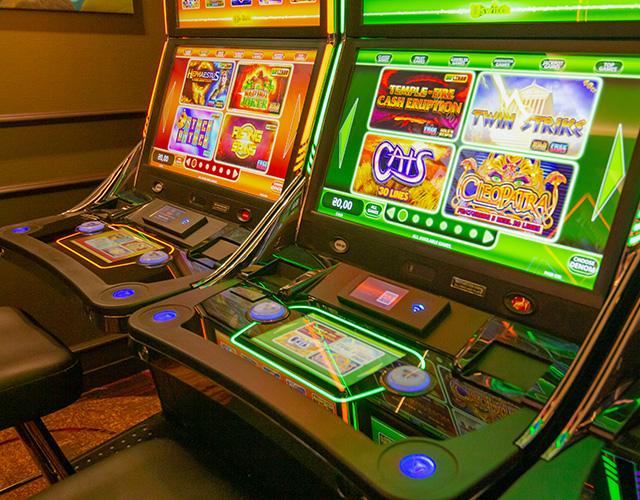
In today’s digital age, the evolution of gambling continues to unfold. The integration of mobile technology, virtual reality, and blockchain has created innovative platforms that appeal to a global audience. These advancements not only enhance the user experience but also raise questions about responsible gambling and the role of skill versus luck in this new landscape.
As the gambling industry adapts to technological changes, it remains crucial for creators and developers to focus on providing quality experiences. Services that specialize in audio production and content creation are essential for those looking to engage audiences effectively. By supporting creators in developing rich, immersive narratives, the future of gambling can be crafted thoughtfully, balancing entertainment with ethical considerations.
0 comment