The evolution of gambling from ancient rituals to modern casinos
The evolution of gambling from ancient rituals to modern casinos
Historical Origins of Gambling
The practice of gambling can be traced back thousands of years to ancient civilizations. Archaeological findings suggest that the earliest forms of gambling involved simple games of chance, often linked to religious rituals. In ancient Mesopotamia, for instance, dice made from animal bones were commonly used in games that held both social and spiritual significance. Interestingly, many people today turn to the best crypto casino usa to experience the thrill of chance similar to those early rituals.

These early gambling activities were not merely for entertainment; they often served as a way to divine the future or appease deities. Ancient cultures such as the Romans and Greeks incorporated gambling into their societal fabric, using it as a means to foster community bonds and celebrate victories in warfare or sports.
The Role of Religion and Rituals
In many ancient societies, gambling was intertwined with religious practices. The Chinese, for example, engaged in various forms of gambling as part of their cultural rituals, believing that fortune could be influenced by spiritual forces. Similarly, in Africa, gambling was often associated with tribal ceremonies, where games of chance were played to honor ancestors or seek guidance.
As gambling evolved, it began to be viewed through different lenses, from a sacred activity to one of vice. The perception of gambling shifted dramatically during the Middle Ages, as religious institutions condemned it, associating it with moral decay. However, this backlash did not eliminate the practice; instead, it forced it underground, leading to clandestine games that persisted throughout Europe.
The Rise of Formal Gambling Establishments
By the 17th century, gambling began to emerge from the shadows with the establishment of formal gaming houses and casinos. Italy is often credited with the creation of the first modern casino in Venice. These establishments provided a regulated environment for gambling, attracting the wealthy and influential, and soon spread across Europe.
The concept of the casino continued to flourish into the 19th century, particularly in France, where lavish venues became synonymous with high society. The development of games such as roulette and blackjack further popularized these venues, establishing them as premier destinations for entertainment and leisure.
The Globalization of Gambling
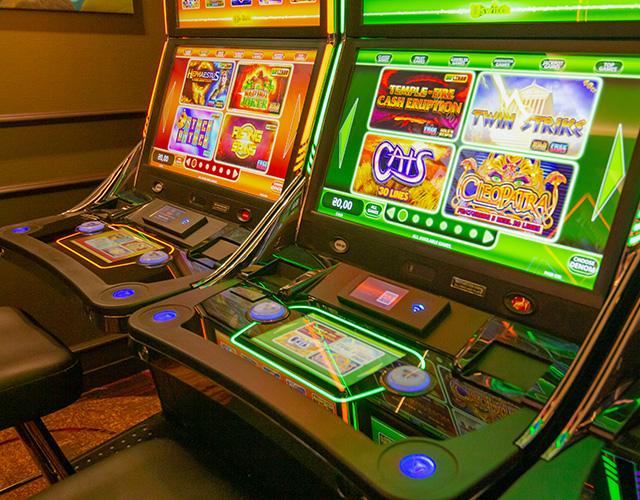
As the world became more interconnected in the 20th century, so did gambling. With the advent of technology and the internet, traditional casinos faced competition from online gambling platforms. The digital age has allowed for a wider audience, enabling anyone with internet access to participate in various forms of betting, from poker to sports wagering.
Globalization also introduced diverse gambling practices across different cultures, blending traditions and giving rise to new games. Today, gambling exists in numerous forms, from state-run lotteries to high-stakes poker tournaments, reflecting a rich tapestry of human desire for risk and reward.
Peerform: Bridging Financial Needs and Personal Aspirations
At Peerform, we understand that financial flexibility is crucial for making dreams a reality. While our primary focus is on connecting borrowers with lenders for personal loans, we recognize that gambling can be a part of some individuals’ financial journeys. Whether it’s for entertainment or potential investment, responsible financial planning is essential.
Our platform is dedicated to transparency and customer support, helping users navigate their financial options effectively. By empowering individuals with competitive rates and personalized solutions, we aim to support your financial goals while ensuring a smooth experience in managing your financial needs.
0 comment